When ordering plants for a landscape project, knowing the difference between 1-gallon, 5-gallon, 15-gallon, and larger container sizes can make a big difference. Plant size affects everything from the look of a finished project to transportation, installation, budget, and long-term growth.
For landscapers, contractors, designers, and garden centers, understanding these sizes helps you order with confidence and select plants that fit both the project and the customer’s needs.
What Does “Gallon” Mean?
When you see plants labeled 1G, 5G, 15G, and so on, the number generally refers to the nursery container size the plant is grown in—not necessarily the exact amount of soil or the plant’s height.
For example, a 5G plant isn’t guaranteed to contain exactly five gallons of soil. Container dimensions and actual soil volume can vary between growers and pot styles.
The container size is primarily a way to communicate the approximate maturity and size category of the plant.
🌱 1-Gallon Plants
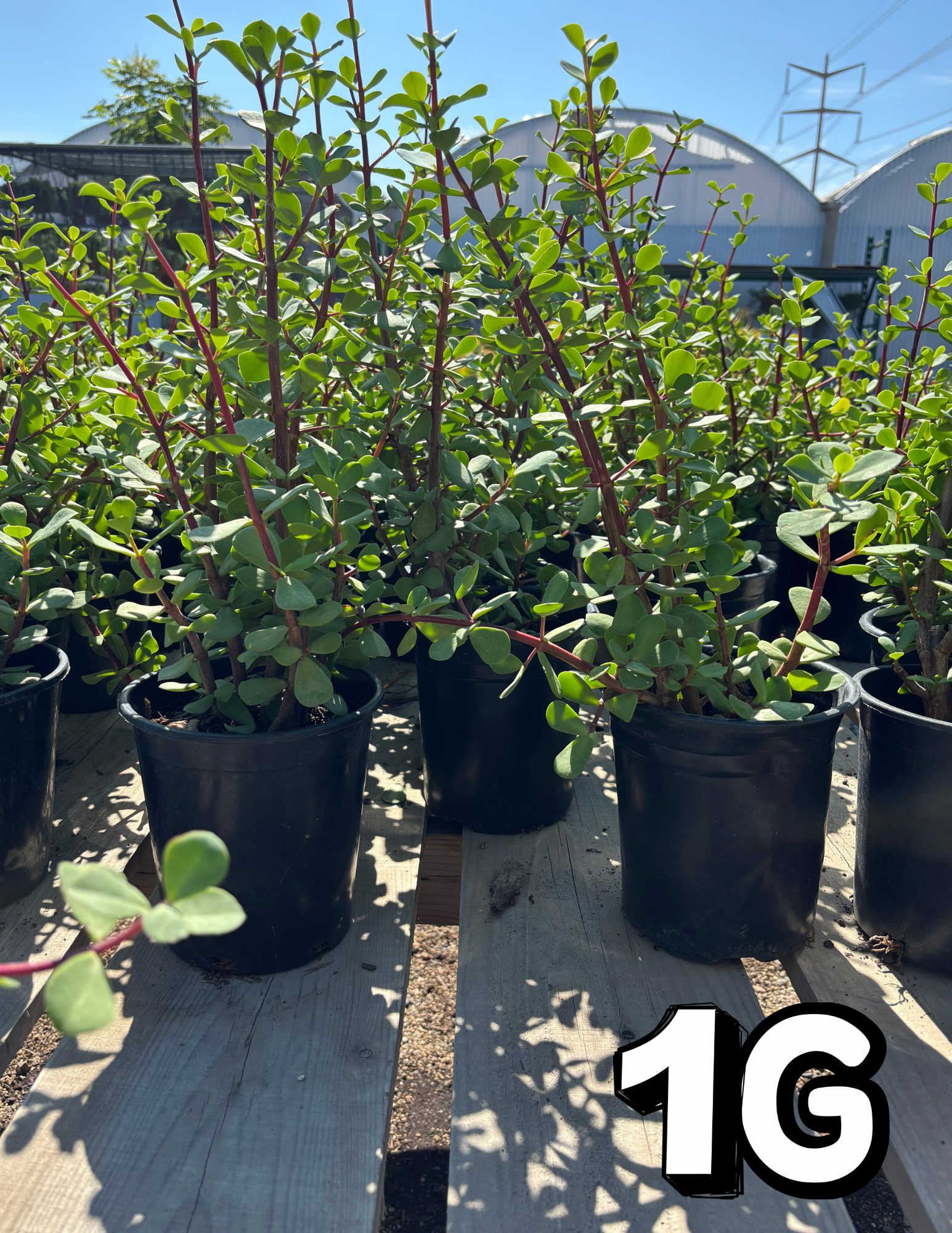
1G plants are a popular choice when you want a smaller, more economical plant that has plenty of room to establish and grow.
They’re especially useful for:
- Residential landscape installations
- Smaller garden projects
- Mass plantings
- Groundcover and filler plants
- Projects with larger quantities of plants
- Customers working with a tighter budget
Because they’re smaller and lighter, 1G plants are generally easier to handle, transport, and install.
Why Choose 1G?
The biggest advantage is flexibility. You can purchase more plants for your budget and give them space to grow into the landscape over time.
For larger projects, this can be an excellent way to create a full planting plan while keeping initial plant costs manageable.
🌿 5-Gallon Plants
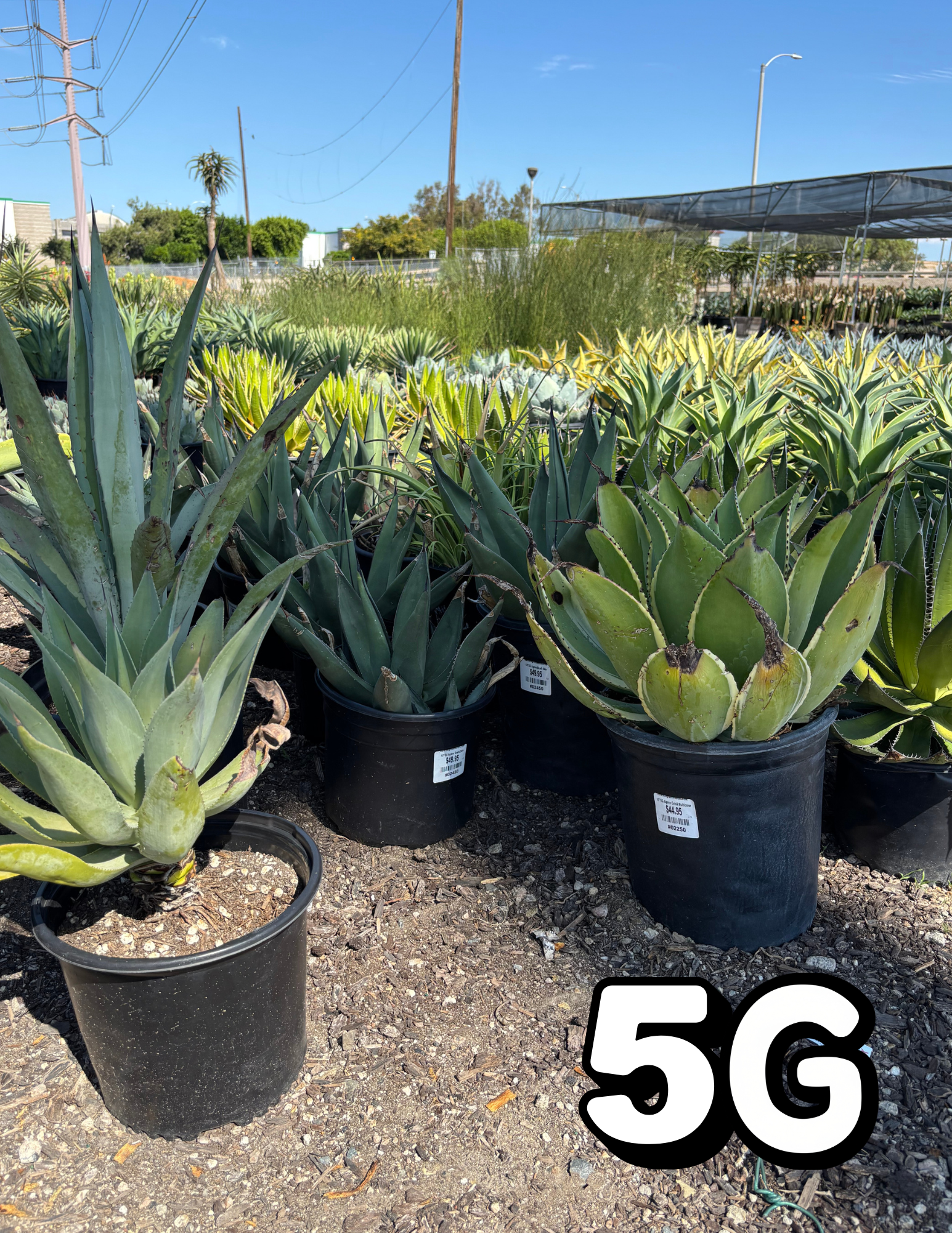
Moving up to 5G means you’re getting a more established plant with greater visual impact right from the start.
5G plants are commonly used for:
- Residential landscapes
- Commercial properties
- Larger garden beds
- Feature plantings
- Foundation plantings
- Projects where immediate impact is important
They’re a great middle ground between affordability and maturity.
Instead of waiting for a smaller plant to fill out, a 5G plant can give a newly installed landscape a more finished appearance immediately.
Why Choose 5G?
Think of 5G as the workhorse size for many landscape projects.
It’s large enough to provide presence but still manageable enough for many crews to transport and install efficiently.
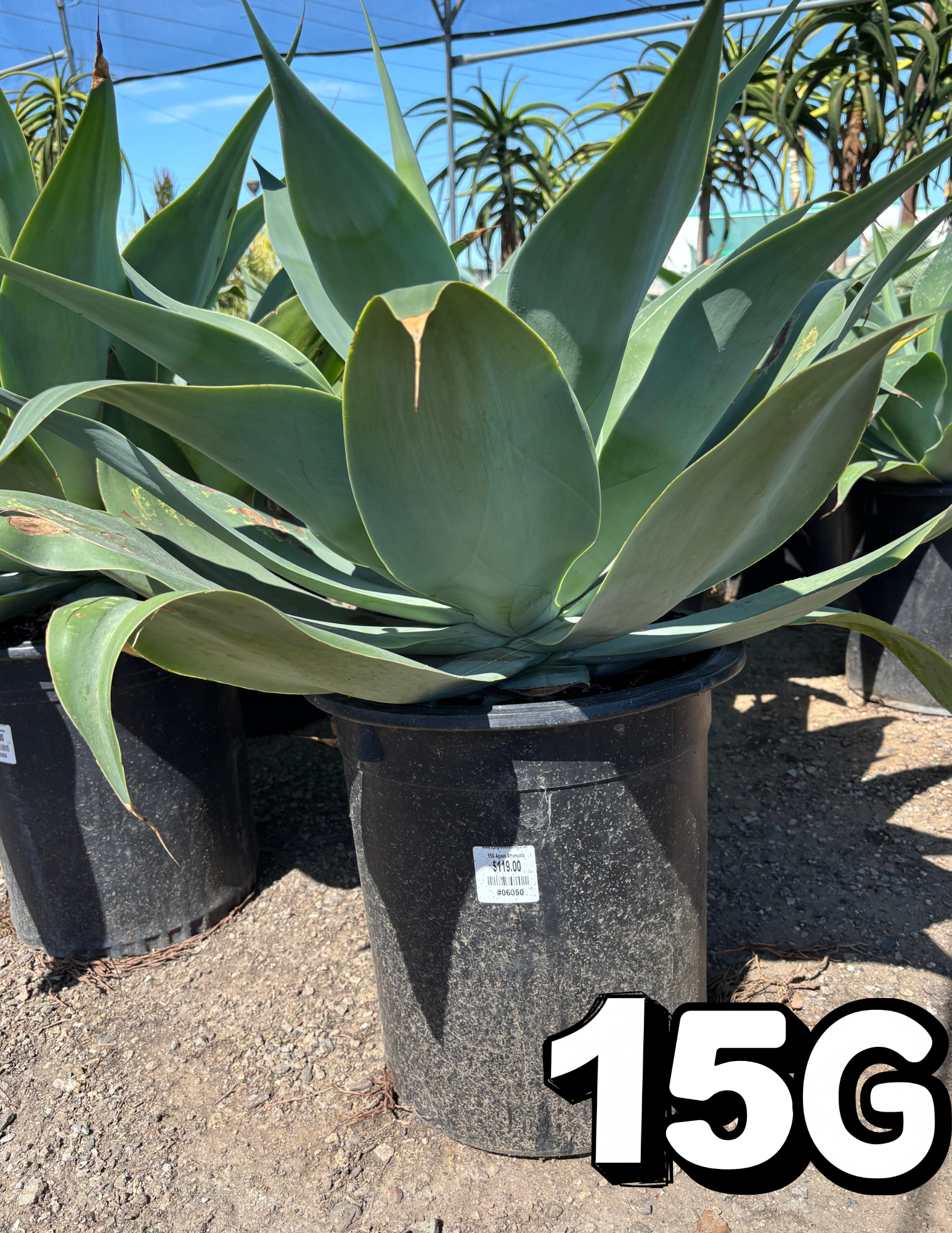
🌴 15-Gallon Plants & Larger
When a project calls for immediate impact, larger container sizes can make a major difference.
15G and larger plants are often selected for:
- Commercial landscapes
- Entryways
- Specimen plantings
- Larger residential properties
- Accent plants
- Trees and larger shrubs
- Projects where mature-looking plants are preferred
The larger the container, the more established the plant generally is—but that also means increased weight, transportation requirements, handling, and installation considerations.
For larger specimens, equipment or additional crew support may be necessary depending on the plant and jobsite.
📏 Bigger Isn’t Always Better
It’s easy to assume that the largest plant is automatically the best choice. But that’s not always the case.
The right size depends on the project goals.
Consider:
Budget:
How much are you able to allocate toward plant material?
Timeline:
Does the landscape need to look established immediately, or can you allow plants time to grow?
Spacing:
How much room does each plant have to grow?
Installation:
Can your crew easily transport and install larger containers?
Design:
Are you looking for mass planting or a few statement pieces?
Maintenance:
Will the plants have the proper conditions to establish and thrive?
Choosing the right size isn’t simply about getting the biggest plant available—it’s about getting the right plant at the right size for the job.
🌿 A Quick Size Guide
| Container Size | Best For | Main Advantage |
|---|---|---|
| 1G | Mass plantings, smaller landscapes | Budget-friendly & easy to handle |
| 5G | Residential & commercial landscapes | Balance of size & value |
| 15G | Feature plants & larger projects | Immediate visual impact |
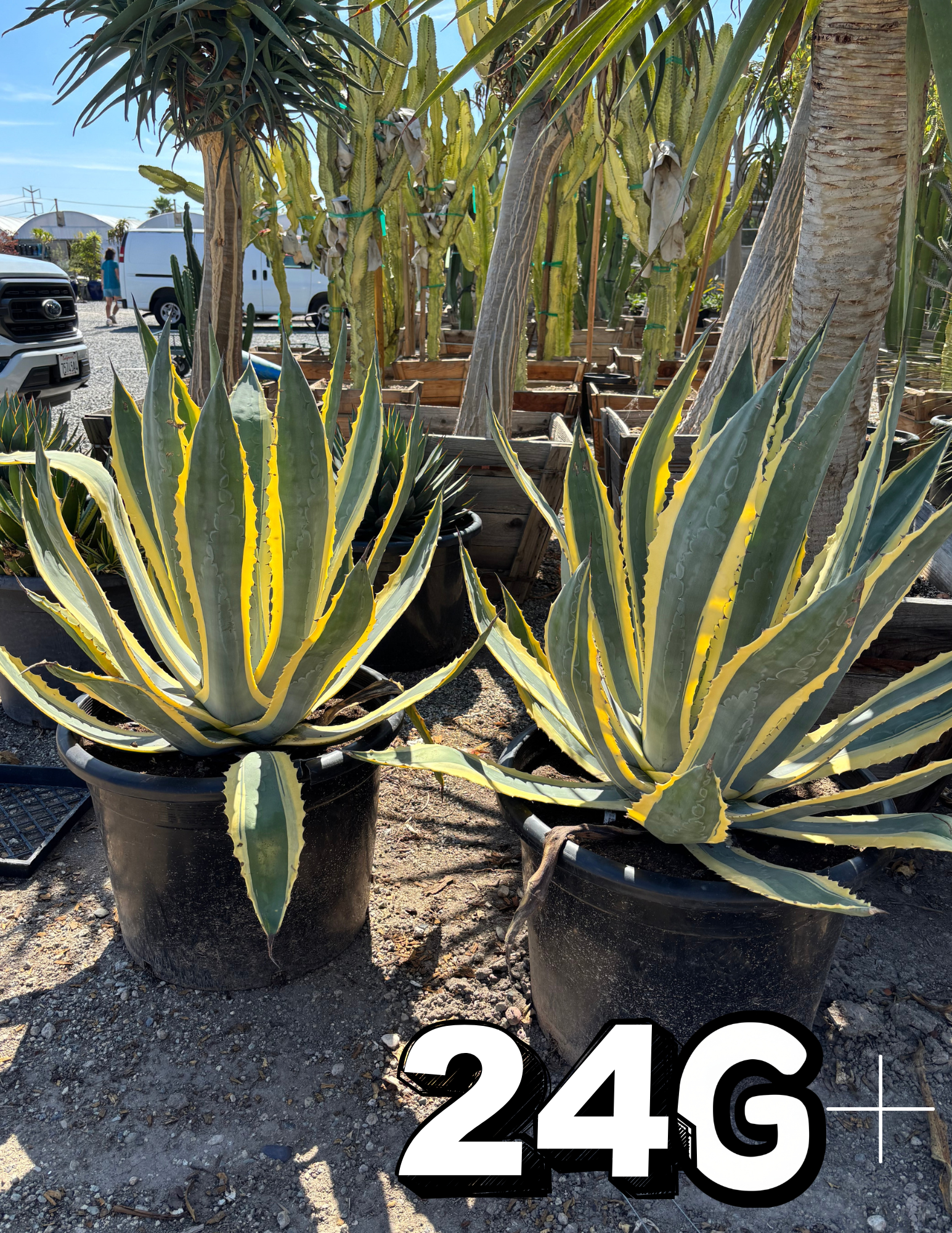
| 24G+ | Specimens, trees & statement pieces | Greater maturity & presence |
Actual plant dimensions, container volume, and availability can vary by grower, plant variety, and season.
🚛 Don’t Forget About Transportation & Installation
Container size doesn’t just affect the plant—it affects the logistics of your project.
A larger plant typically means:
- More weight
- More space needed during transport
- Additional handling
- Potentially more labor during installation
- Greater consideration for access to the jobsite
Before placing a large order, make sure your delivery vehicle, crew, and jobsite are prepared for the size of the plants you’re purchasing.
🌱 Size + Variety Matter
Two plants in the same container size can look completely different.
A 5G shrub and a 5G ornamental grass won’t necessarily have the same height, width, or visual impact.
That’s why it’s important to consider more than just the “G” when selecting plants.
Look at:
- Plant variety
- Current height and width
- Growth habit
- Root development
- Sun requirements
- Water requirements
- Mature size
- Project spacing
This gives you a much better idea of how the plant will perform once installed.
🌿 Choose the Right Size for Your Next Project
Understanding nursery container sizes makes ordering easier and helps you create better planting plans. Whether you’re looking for economical 1G plants for a large-scale installation, versatile 5G plants for a residential project, or 15G+ specimens for immediate impact, choosing the right size can help your project stay on budget, on schedule, and looking its best.
At California Greenhouse, our team can help you find plants in a variety of sizes and styles for your next project.
Have a project coming up? Visit the greenhouse, explore what’s available, and talk with our team about finding the right plants for your needs.