Turn your plant displays into high-performing sales drivers—not just pretty corners
A well-designed plant section can do more than fill space in a retail store—it can actively drive sales, increase basket size, and turn casual shoppers into repeat buyers. For wholesale customers and retailers alike, the difference between “plants that sit” and “plants that sell” often comes down to strategy, not just selection.
Here’s how to build a plant section that actually moves inventory.
1. Start With Flow, Not Just Plants 🌱
Before you think about which plants to stock, think about how customers will move through the space.
High-performing plant sections guide shoppers naturally:
- Entry → “wow” statement plants
- Mid-zone → easy-care, impulse plants
- Exit zone → add-on items (pots, soil, accessories)
Place your most eye-catching items—like large foliage or unique textures—at eye level or near store entrances to create immediate interest and draw people in.
2. Build a “Hero + Support” Structure 🌿
Every strong plant section needs a hierarchy:
Hero Plants (attention grabbers):
- Large, sculptural plants
- Trend-forward varieties
- Unique or rare foliage
Support Plants (volume drivers):
- Easy-care staples
- Affordable impulse buys
- Repeat-sell varieties
For example, a statement plant like a Philodendron Lickety Split can anchor a display, while smaller trailing plants and compact foliage fill in the surrounding space to create accessibility at multiple price points.
3. Merchandising Is Everything 🪴
How plants are displayed often matters more than what’s being sold.
Best practices:
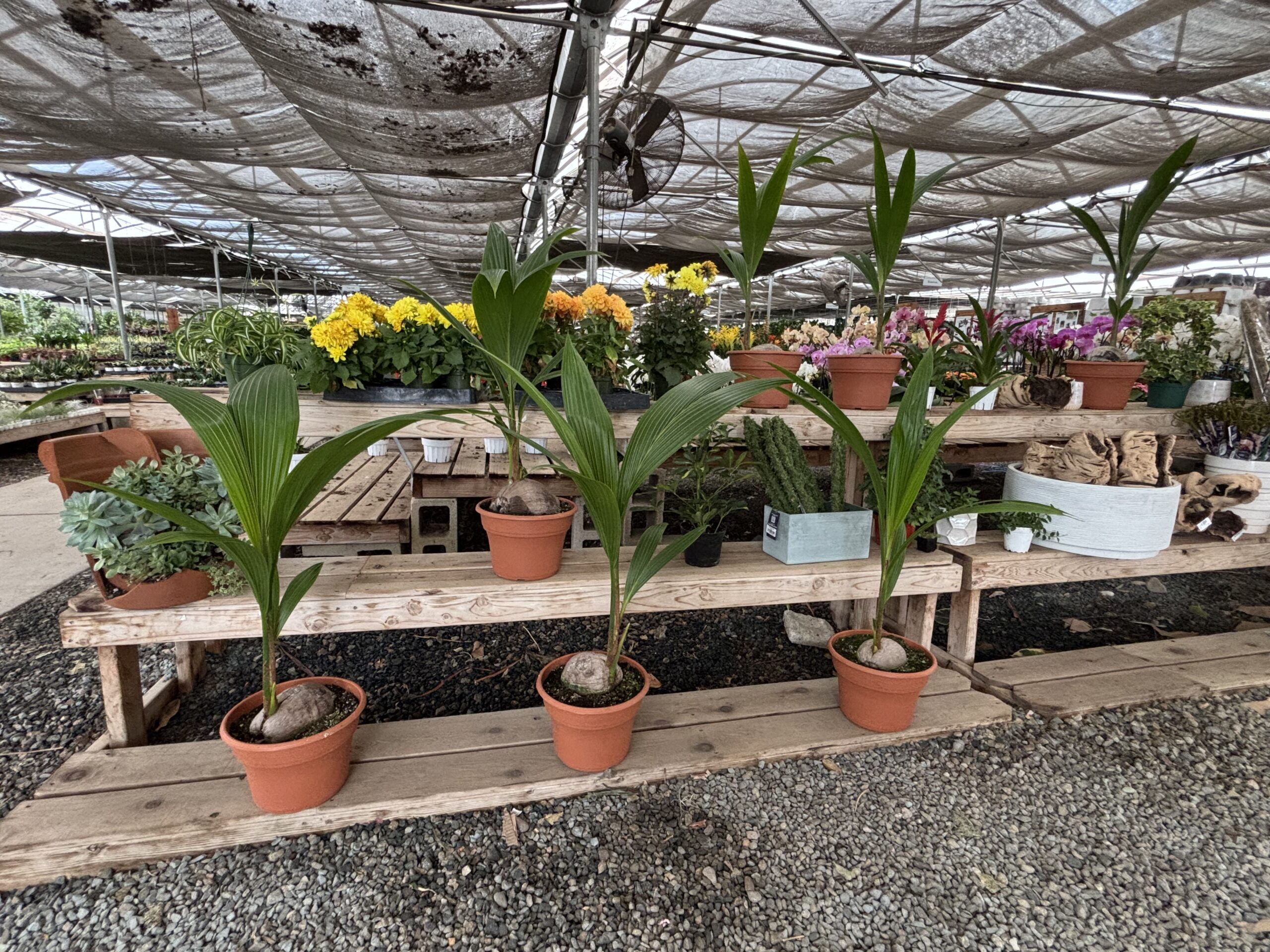
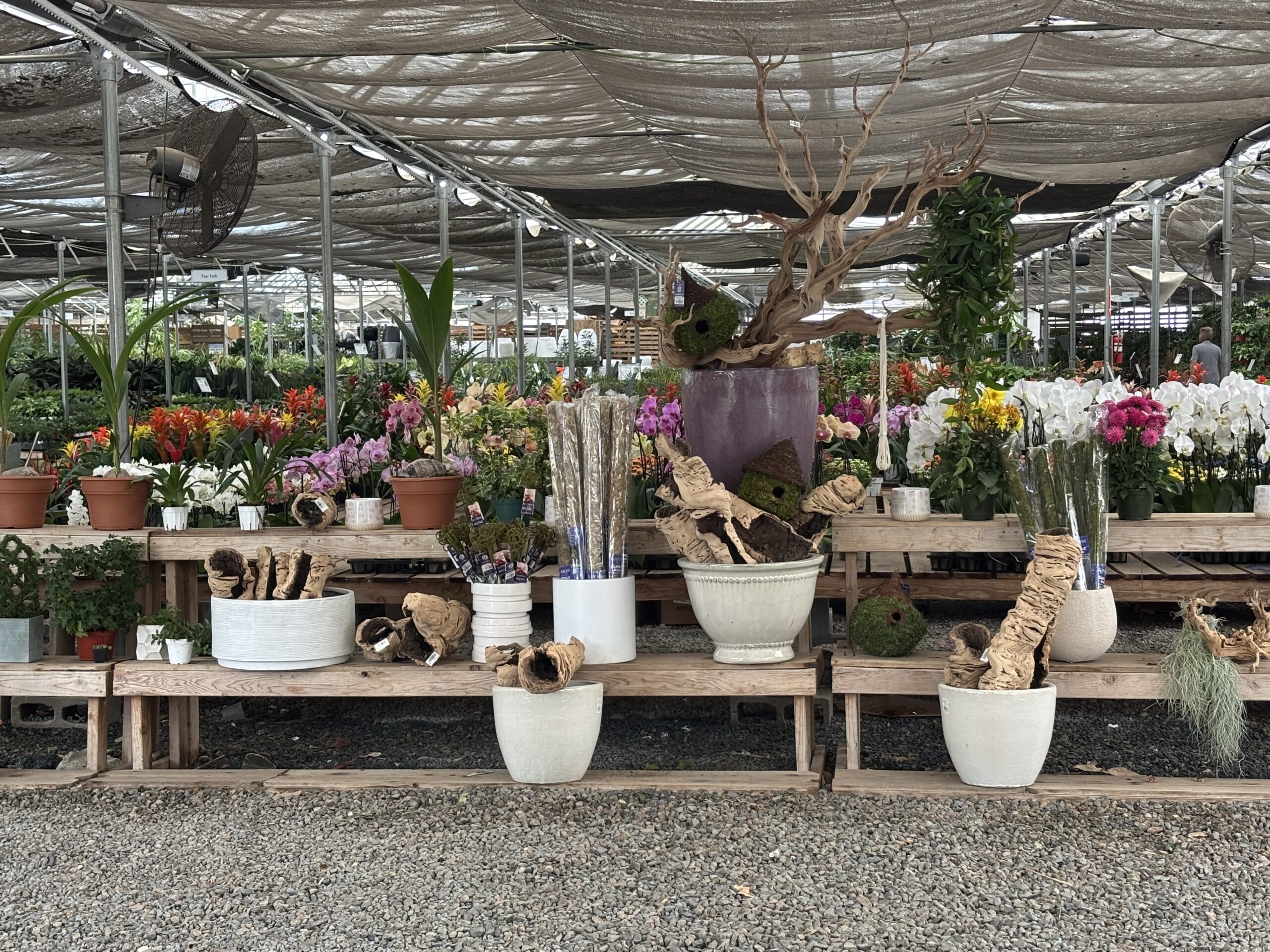
- Group by height for visual layering
- Mix textures (broad leaves, trailing vines, upright forms)
- Avoid overcrowding—negative space helps highlight value
- Use risers or stands to create depth and movement
Think of it like designing a living display window, not just shelving inventory.
4. Make It Easy for Customers to Buy Fast ⚡
If customers have to think too hard, they won’t buy.
Make decisions easier by:
- Clear, consistent pricing signage
- Simple care labels (low, medium, high maintenance)
- “Best for beginners” or “pet-friendly” tags
- Bundled suggestions (plant + pot combinations)
The easier you make it to understand, the faster inventory moves.
5. Rotate to Create Urgency 🔄
A static plant section becomes invisible over time.
Keep things moving by:
- Refreshing focal plants weekly or biweekly
- Highlighting seasonal trends
- Rotating color or texture themes
- Featuring “new arrivals” prominently
Customers respond to freshness—even if it’s the same product rotated into a new position.
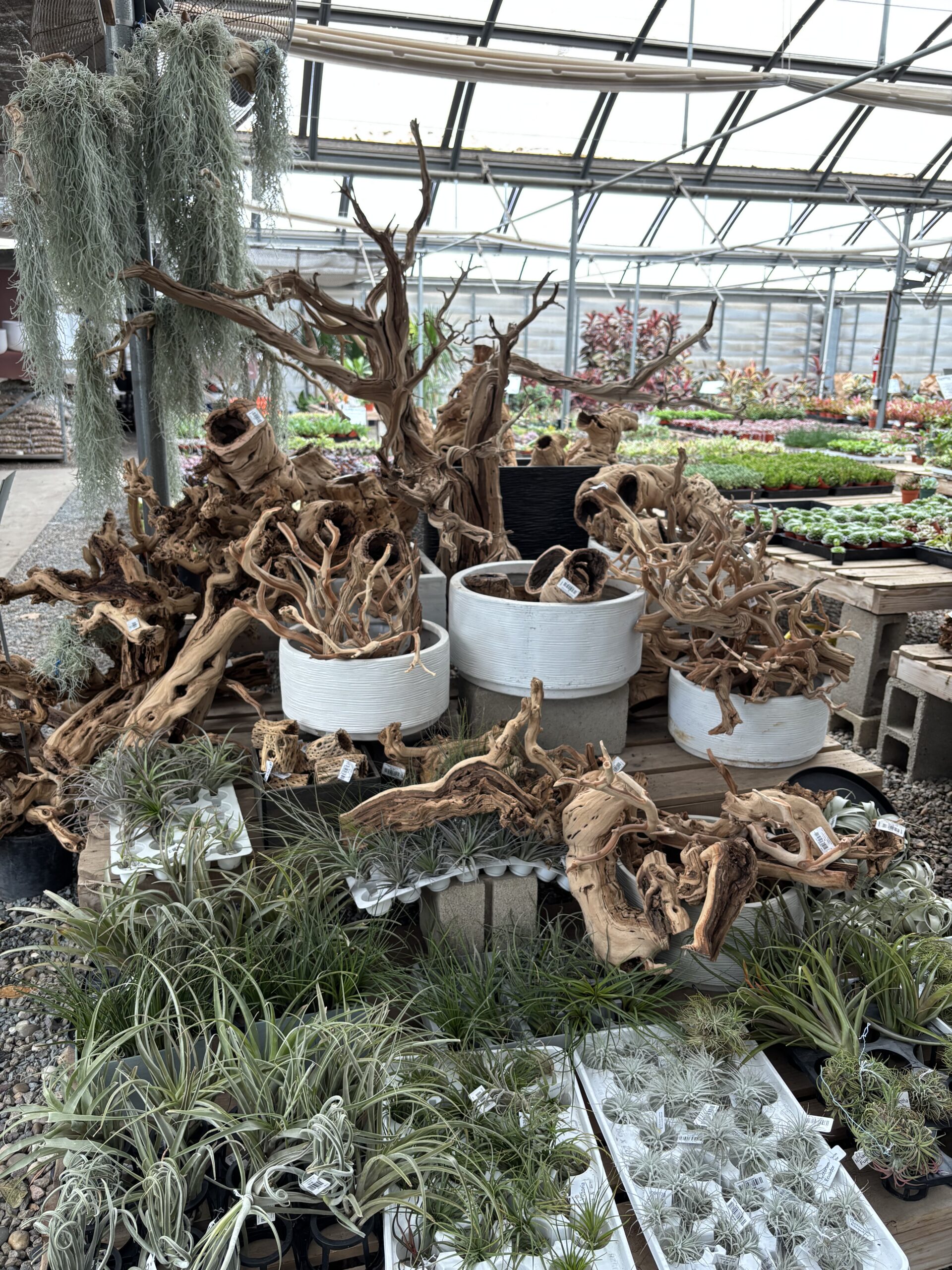
6. Sell the Lifestyle, Not Just the Plant 🏡
Plants are emotional purchases. The most successful displays show customers how the plant fits into their life.
Instead of just showing a plant, show:
- A styled corner of a home or office
- A plant grouped with décor items
- A “complete look” customers can recreate
You’re not just selling inventory—you’re selling a finished aesthetic.
7. Train Your Team to Sell the Section, Not the Shelf 👥
Your staff plays a major role in inventory movement.
Encourage your team to:
- Recommend plants based on customer lifestyle
- Suggest easy-care alternatives when needed
- Point out “best sellers” or “fast movers”
- Bundle plants with complementary items
Confident staff = faster sell-through.
Final Takeaway 🌿
A plant section that actually moves inventory isn’t about having more plants—it’s about how those plants are presented, positioned, and promoted.
When you combine strong visual merchandising with smart product selection and an easy buying experience, your plant section becomes one of the most profitable areas in your store—not just a decorative one.