
Irvine Heat Wave – Aeoniums React

All plants have their preferred climates. The majority of succulents are native to South Africa and the Mediterranean,  while they can tolerate droughts, they do not thrive in them. Desert loving cactus will thrive through extreme temperatures, blazing hot sun, and long periods of drought, but the softer succulents that we know and love don’t like to be kept in baking hot areas. We often field questions about a plants ability to take “full sun”, or “afternoon sun”, and the answers are always different. There are many more variables than time of day alone. Full sun on the coast is different than full sun in the valley. A good rule of thumb, if it is a new plant, or a new area, is to test it before planting a large group, or ease a plant into a new area. Many plants grow up facing one direction for the duration of their life and the simple task of planting a plant facing the opposite direction can result in a fatal burn. When we move large, specimen, pieces, we cover the plant with shade cloth in an effort to acclimate it to its new location. It may not be the most beautiful site in a backyard, but just a couple of days under some shade could save a one of a kind Aloe Dichotoma from never recovering. Pick up some shade cloth, and be careful adding new plants to new locations. Photo is of Crassula ‘Silver Dollar’, a variety of jade that CAN tolerate more heat than some of its softer counterparts.
More Succulent Tips

Mexican Feather Grass – Dasylirion Longissimum

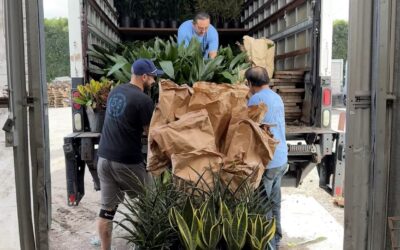
Just recently received two, beautiful, 20G Dasylirion Longissimum, the "Mexican Feather Grass" each with a foot plus of trunk.

Jade Succulents

There are many varieties of Jade, all of which are now available at our Irvine location. Some varities like, Hobbit & Gollum, are great for bonsai plants and container gardners because of their overall size(3'), while the tradional Crassula Ovata "Jade" can grow...

Kalanchoe Luciae (Thrysiflora)

The Flap Jack Kalanchoe has been misidentified for many years, and still often is, as Thrysiflora, but this vibrant, red edged cultivar is actually Luciae. First described in 1908 and while they both carry the signiture paddle shapped leaves, Luciae stands out from...

Saguaro and Cardon

The Carnegiea Gigantea, “Saguaro”, and Pachycereus Pringlei, “Cardon”, are very similar cactus with extremely dissimilar growth rates. The Saguaro can grow over 50’ tall with many branching arms, but it may take up to 75 years for it to develop it’s arms, and some...

Agave Parryi Truncata

A stunning blue grey agave that many people recognize and love. Defined as a medium small agave, but it can form clumps larger that 5’ wide. Individual plants typically only reach 3’ tall by 3’ wide. However, this slower growing agave has been reported to reach up to...

The Houseplant Matchmaker Test

Discover which plant is your perfect match in this fun personality quiz!

Sedum Nussbaumerianum – Coppertone Stonecrop

Graptopetalum paraguayensis , or the "ghost plant", is a great, trailing, wandering, ground cover. We love the colors that this plant brings out in a design, complementing the blues, pinks, and purples that so many of the gorgeous succulents have to offer. Each plant...

What Plant Suits Your Best Friend

Take this quiz to see what type of plant is the best gift for your special someone, based on their preferred love language.

Agave Joe Hoak

A hardy sport of “The Variegated Smooth Agave” , agave ‘Joe Hoak’, has a soft creme and green paintbrush stroke down the center of each leaf. Each leaf also varies in variegation, but a tricolor appearance sets it apart from its regular variegated counterpart. This...

8 Low-Maintenance Indoor Plants

If you’re new to collecting houseplants, start with these cool beginner plants that still bring loads of color and style to your decor.

Visit Us Today

Want to Learn more?

More Plant Parenting Advice

Visit Us Today

Want to Learn more?