“Maintaining healthy indoor plants isn’t just about the right amount of water or sunlight; it’s about being proactive,” says John Doe, Head of Horticulture at Cal Greenhouses.
There is nothing better than having your own sweet little garden of indoor plants. The freshness in the air and the beautiful aura brighten up our homes and boost our spirits. Caring for houseplants is a delightful hobby. But just like other plants, our indoor greens can fall prey to pesky invaders and need proper care. In order to keep our indoor garden thriving and beautiful, we must recognize these pests and take preventative measures to save our plants.
In this blog, we will introduce you to some of the most common houseplant pests and explain how we spot them in greenhouses. You will also learn some useful tips to spot these pests in homes and effective ways to treat and prevent these unwelcome guests. Ready to protect your plants? Let’s dive in and learn how to keep your indoor garden thriving!
Some Common Home Plant Pests and How to Get Rid of Them?
1. Aphids: The Sap Suckers

Aphids are tiny, pear-shaped bugs that can be seen in green, black, brown, or red color. They love to cluster on the undersides of leaves and are mainly attracted to tender new plant growth. If your plant’s leaves are curling or you notice a sticky substance called honeydew (which can lead to sooty mold), aphids might be to blame. Experts say that Aphids can weaken a plant quickly because they reproduce rapidly and suck out the plant’s vital juices.
“When you spot that first cluster of aphids, it feels like a tiny invasion. I always tell my clients, the quicker you respond, the easier it is to manage. Early detection and immediate action are your best friends,” shares Emma Clark, an urban gardening consultant.
How to Get Rid of Aphids?
- DIY Solution: Mix water with a few drops of dish soap and spray it directly onto the aphids and the affected parts of the plant. Repeat every 2-3 days until aphids are gone. Make sure to cover nearby plants and soil beneath the infected plant to prevent them from spreading.
- Recommended Product: Neem oil sprays are effective against aphids. Apply as directed on the product label, typically once a week until the infestation clears.
2. Spider Mites: The Invisible Weavers
Scientific name: Tetranychidae
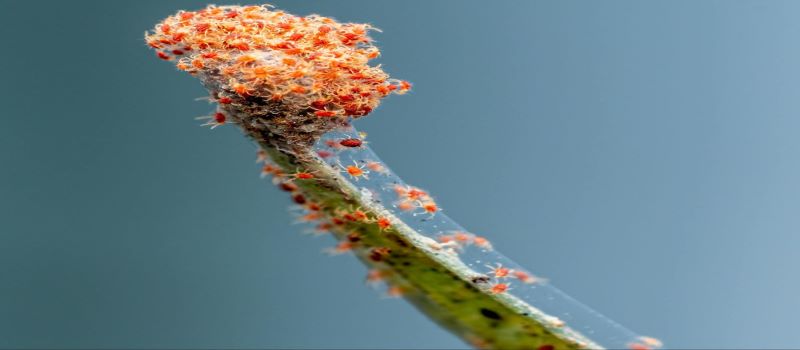
Spider mites are not insects. They are more related to the spider family. These pests are so small they (1/50 inch (0.4 mm) long when adults) can be hard to see with the naked eye, but their damage is not. They typically cause yellow or white speckles on plant leaves by piercing the plant cells and sucking out the contents. In severe cases, you might also see fine webs between the leaves or branches. “Regularly misting your plants can deter spider mites, as they thrive in dry conditions,” suggests Jane.
How to Get Rid of Spider Mites?
- DIY Solution: Increase humidity around your plants, as spider mites thrive in dry conditions. Regular misting or placing a humidifier nearby can help. Also, rinse your plants under a gentle shower to dislodge mites.
- Recommended Product: Use a miticide or horticultural oil like Bonide All Seasons Horticultural and Dormant Spray Oil, applying it to all plant surfaces according to the label instructions.
3. Scale Insects: The Armored Drinkers
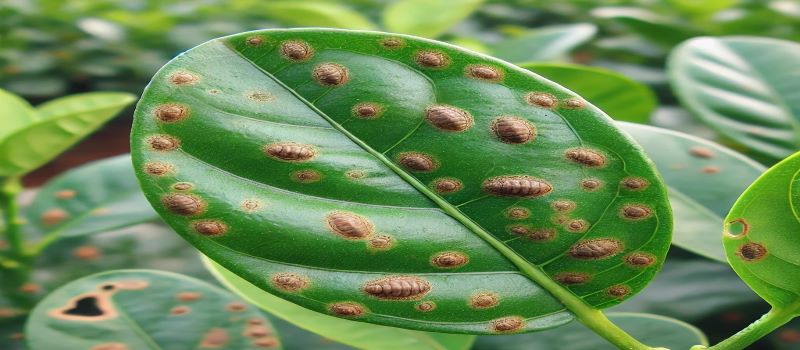
Scale insects are sap-sucking pests that can be hard to spot. They appear as small, brown, or tan bumps on plant stems and leaves. The crawlers, or the immature stage of these pests, move a little to feed, but adults cover themselves in a protective layer of coating and stay put. They go unnoticed as people often mistake these pests as part of the plant. The damage they cause includes yellowing leaves and reduced overall plant health.
Alex Renaud, a professional houseplant curator, says, “Scales are sneaky; they blend right in. I learned the hard way that regular check-ups are crucial. If you find them early, you can literally pick the problem away.”
How to Get Rid of Scale Insects?
- DIY Solution: Carefully scrape off-scale insects using a fingernail, toothbrush, or a soft brush. For stubborn scales, apply a cotton ball soaked in insecticidal soap directly to the pests. If possible, remove the highly infested part of the plant to prevent it from spreading.
- Recommended Product: Neem oil can also be used against scale. It acts as both an insecticide and a repellent. Apply thoroughly to affected areas, following the package directions for dilution and application frequency.
4. Mealybugs: The White Cotton Clingers
Scientific name: Pseudococcidae
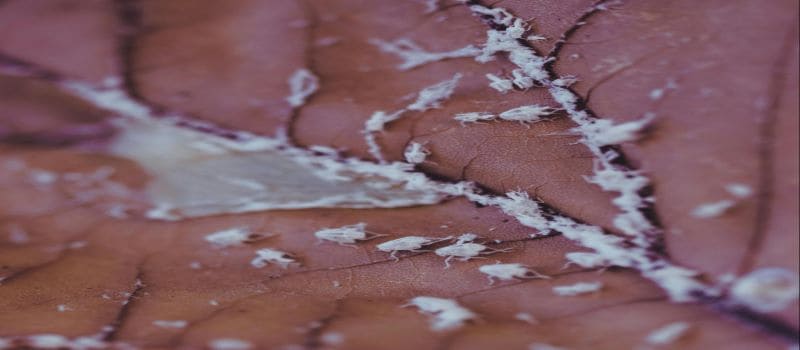
Mealybugs look like tiny bits of cotton and are often found hiding in leaf joints or under leaves. These pets are like scale insects. They suck sap from the plants, form protective waxy coatings, and secrete a sticky substance known as honeydew. They weaken the plant, and cause leaves to turn yellow and drop.
“Mealybugs are the bane of any plant lover’s existence. The moment you see that fluffy white cotton, it’s time to get your gloves on,” notes Maria Gonzalez, a lifelong gardener. Female Mealybugs produce a white cotton-like material where they leave eggs and their offspring hatch.
How to Get Rid of Mealybugs?
- DIY Solution: Dip cotton swabs in rubbing alcohol and dab it on the mealybugs, which will effectively kill them on contact. Ensure to reach hidden areas under leaves and at stem joints.
- Recommended Product: Insecticidal soap sprays are particularly effective against mealybugs. Spray thoroughly, ensuring all mealybugs are coated. Repeat the application every few days as needed.
5. Fungus Gnats: The Soil Dwellers
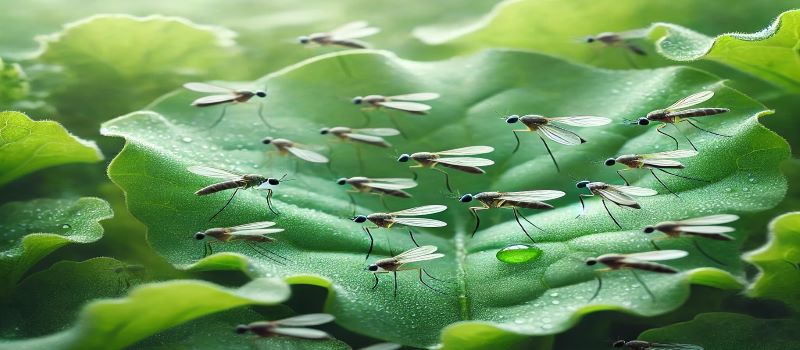
Fungus gnats are small, dark flies that buzz around soil. These pests are more annoying than dangerous, but their larvae can really hurt your plants’ growth. “Allowing the top inch of soil to dry out before watering is a simple yet effective tactic to prevent gnat infestations,” recommends Jamie Norton, a greenhouse manager.
Understanding these pests and their signs can help you catch an infestation early, giving you and your plants a fighting chance. Stay vigilant and check your plants regularly for any signs of distress.
How to Get Rid of Fungus Gnats?
- DIY Solution: Allow the top layer of soil to dry out completely between waterings, which kills the larvae and discourages adult gnats. Additionally, placing slices of potato on the soil surface can attract and trap larvae.
- Recommended Product: Gnatrol WDG Biological Larvicide is effective for treating soil infested with fungus gnat larvae. Follow the label instructions for mixing and application rates.
6. Whiteflies – Flying Plant Destroyers
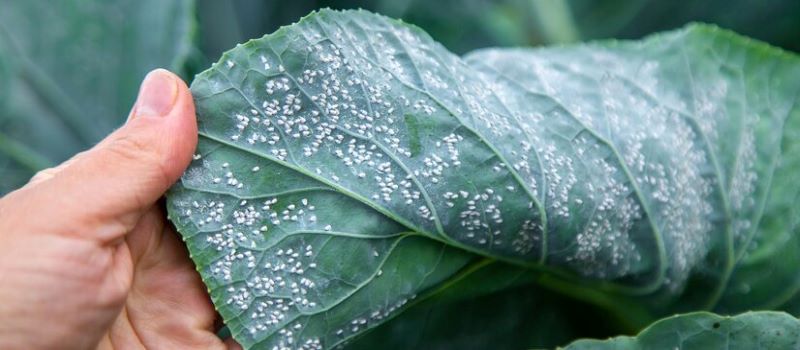
These pests are white powdery insects that survive by sucking plant juices. Their immature form does not move, but they can become more problematic and annoying when they grow up. Adult whiteflies flutter when disturbed and can fly from one part to another. Adult whiteflies might be more annoying, but the larvae suck more sap and harm the plant.
Whiteflies can turn a healthy plant into a struggling one before you even realize what’s happening. I find that a good early morning soap spray does wonders,” comments Chris Kim, an indoor plant enthusiast.
How to Get Rid of Whiteflies?
- DIY Solution: Create a mixture of water and dish soap and spray it directly onto the affected areas of the plant. This soap solution helps to break down the waxy coating on whiteflies, making it easier to wash them off. For best results, spray in the early morning or late evening when whiteflies are less active.
- Recommended Product: Insecticidal soap or a pyrethrin-based spray is effective against whiteflies. Apply according to the product label directions, focusing on the undersides of leaves where whiteflies congregate.
How to Spot Pests in Greenhouse Indoor Plants?
Greenhouses offer the perfect environment for growing plants but can also attract unwanted pests due to their warm, humid conditions. To detect pests before they become a major issue, greenhouse managers must conduct regular inspections and look closely at the undersides of leaves and branch joints for signs like sticky residues, webbing, or distorted plant growth.
“Spotting the early signs of pests and knowing how to deal with them can save your plants and keep your indoor garden vibrant.”
Controlling the greenhouse environment is another critical step in pest prevention. Adequate ventilation and spacing between plants help maintain air circulation and reduce excess moisture, making it less inviting for pests. Additionally, using yellow sticky traps can help monitor and control flying pests such as fungus gnats and whiteflies by catching adults and indicating the level of pest activity. Regular cleaning to remove plant debris and spilled soil also plays a vital role in preventing pests, as it removes potential breeding grounds and reduces the presence of fungal spores and bacteria.
Some Useful Preventive Measures and Tips for Treating Infestations in Indoor Plants
- Isolate Infected Plants – Immediately isolate any plant that shows signs of pest infestation. This helps prevent the spread to other plants.\
- Wash Plants Gently – A gentle wash can remove many pests from your plants. Use a mild soap solution and water to carefully wash the leaves, stems, and top of the soil.
- Use Natural Pesticides – Opt for natural and organic pesticides whenever possible. Neem oil, insecticidal soaps, and horticultural oils are effective against a variety of pests and are safer for your home environment.
- Introduce Beneficial Insects – In cases of more severe infestations, consider introducing beneficial insects such as ladybugs or lacewings into your indoor garden. These predators naturally control pest populations like aphids and spider mites without harmful chemicals.
- Preventive Maintenance – Prevention is always better than cure. Maintain a regular cleaning schedule, avoid overwatering, and ensure good air circulation around your plants.
- Monitor and Adjust – After treating an infestation, continue to monitor the plant regularly. Keep an eye out for any signs of pests returning, and adjust your plant care practices as needed.
In a Nutshell
Successfully managing pests in indoor plants requires a proactive approach that includes regular inspections, maintaining optimal environmental conditions, and using both DIY solutions and recommended products. Remember that – “Keeping your indoor garden pest-free isn’t just about reacting to problems—it’s about creating a sanctuary where plants thrive under your careful watch.” says John.
By staying vigilant and applying preventive measures like natural pesticides and beneficial insects, you can effectively protect your plants from common pests. These strategies help ensure your indoor garden remains healthy, vibrant, and thriving. Keep up with regular care and enjoy the benefits of a beautiful, pest-free garden. Happy gardening!