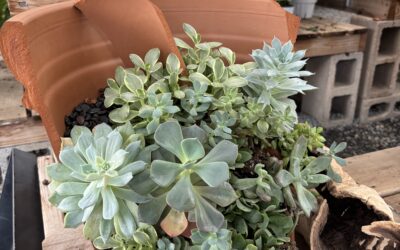
“Sunsets are proof that no matter what happens, every day can end beautifully.” – Kristen Butler. This statement impeccably catches the pith of cacti and succulents – tough, versatile, and flourishing in hot, dry circumstances. Longer days, higher temperatures, and the opportunity to invest more energy outside are benefits that tag along the summers. And what better way to embrace the sunshine than with these low-maintenance indoor plant care, high-reward plants that require the least indoor plant care?
There’s an explanation succulents and desert flora are so famous. They are a versatile decision for any complex design since they are available in an astonishing variety of sizes, shapes, and tones. These desert inhabitants, however, are summertime champions despite their aesthetic appeal. They are surprisingly resilient to the heat and need very little care.
But even these carefree beauties require some attention during the summer months. You’ll have all the information you need in our summer care guide to ensure the success of your succulents and cacti.
Finding the Perfect Light for Your Cactus in Summer
Succulents and cacti are native sun worshippers. They like the scorching desert heat in their natural environments. In really harsh climes, they do benefit from some shade during the hottest portion of the day, but most types need at least 4-6 hours of direct sunlight per day.
As Khalil Gibran famously quoted, “Without sunshine, no blossom.”

The following summarizes how much summer light exposure is best for succulents and cactus plant care:
- Full Sun (6+ hours): Perfect for most cacti, including Saguaro, Prickly Pear, and Echinopsis.
- Partial Sun (4-6 hours): Ideal for Echeveria, Jade Plant, and Haworthia. These prefer some midday shade, especially in scorching climates.
- Bright, Indirect Light: Aloes and Gasteria can tolerate slightly lower light conditions.
Watering: Intermittent but Generous
The most frequent cause of summertime succulent and cactus death is overwatering. Remember that these plants are drought-tolerant because they have better water retention in their succulent leaves and stems.
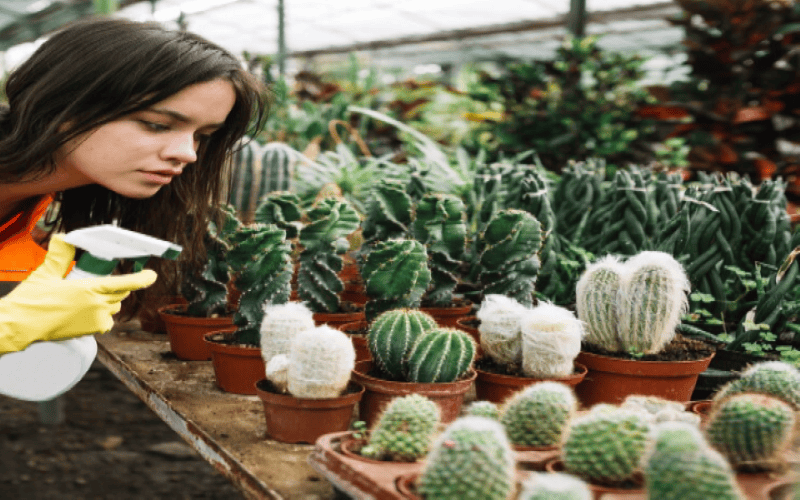
The below indoor house plant care content will assist with keeping them hydrated so they neither dry-out nor drown in water:
- The Soak and Dry Method: Fill the pot with water up to the point where any extra runs out of the drainage holes. Let the soil dry up fully before giving it another irrigation. Depending on the kind, pot size, and environment, this could be done once a week or once a month.
- Don’t Mist: Misting may seem sensible, but when airflow is restricted, it can actually encourage fungal infections. Water right down to the soil’s surface.
- Keep an eye out for the signs: A shrunken appearance or wilting leaves could be signs of underwatering. But if the roots are decaying, overwatering may also be the source of these symptoms. Err on the side of underwatering if in doubt.
Potting Perfection: Setting the Stage for Summer
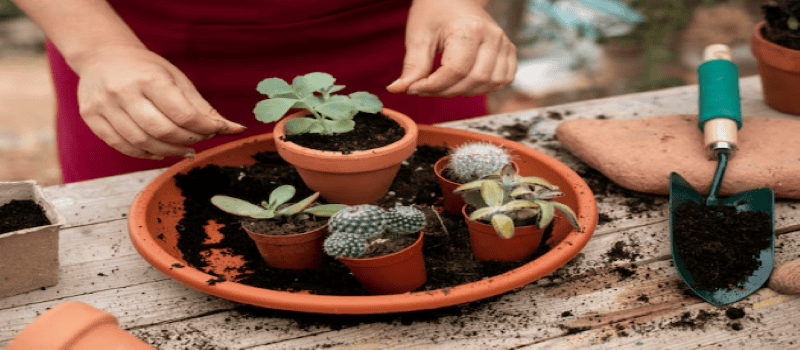
“You don’t need therapy, You just need to repot my plants.” – Natasha
Choosing the correct pot is essential for summer indoor plant care. Here’s something to contemplate:
- Drainage is Essential: To keep away from water pooling around the roots, pick a pot with drainage openings.
- Substance Matters: Choose containers made of ceramic or terracotta that breathe well and let excess moisture escape.
- Assess the Situation: In order to allow for some development without enabling excess soil to stay moist for an extended period of time, the pot should be somewhat larger than the root ball.
Soil Savvy: The Foundation for Summer Thriving
“All life relies on the soil. When we lose the knowledge of how to nurture and work the land, we lose touch with our own identity.” – James
The above quotes make us aware about the importance of soil. Succulents and cacti require soil that drains properly and resembles their native desert environment. These are the two choices for this aspect of indoor plant care:
- Commercial Cactus Mix: Pre-blended soils mixed explicitly for better drainage are available at most nursery habitats for desert succulent plants and cactus plant care.
- Make Your Own Mix: Simply blend equivalent amounts of sand, perlite, and gardening soil.
Fertilizer for Indoor Plants in Summer: Feast or Famine?
Succulents and cacti plants don’t regularly need a ton of food. One time each month, during their active growing season (normally spring and summer), a mild utilization of a balanced compost made explicitly for cacti and succulents will do. As a renowned gardener John Abercrombie said “Where others crave abundance, the cactus finds strength in scarcity. Mimic the desert, and let your fertilizer be a whisper, not a roar.” Fertilization can, in any case, be totally skipped, particularly for adult plants.
Summertime Pests and Diseases Control: Keeping Your Plants Healthy
“Tough exterior, gentle needs, a cactus thrives on the right deeds.” – John Linchon
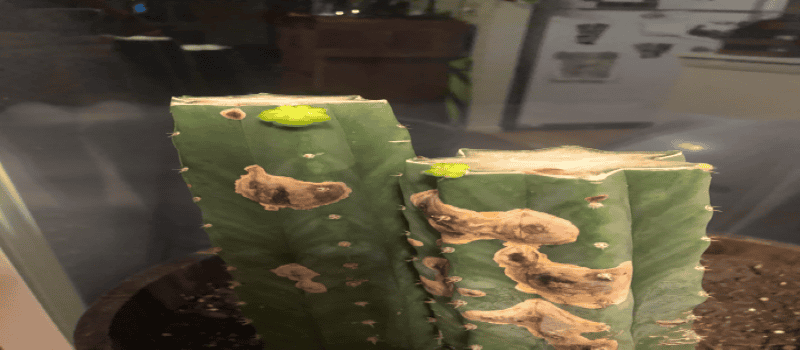
Cacti and succulents are by and large impervious to irritations and illnesses, yet in specific circumstances, they can become infected by fungi and become mealybugs. How to remain alert is as follows:
- Examine Frequently: Check your plants frequently for pest indicators such as scale (tiny, hard lumps) or mealybugs (white, cottony masses).
- Natural Solutions: Insecticidal soap and neem oil spray are some natural and very effective indoor plant care solutions against little infestations.
- Encourage Airflow: Fungal diseases can be avoided by providing your plants with adequate air circulation. Plants shouldn’t be crowded together.
Taking Your Cacti and Succulents Outdoors for the Summer

“I prefer the cactus, for the simple reason that it has a more interesting personality. It has wonderfully adapted itself to its surroundings.” – Dorothy B. Hughes
If the situation and condition of your surroundings allow, never shy away from providing your cacti and succulents with some time in the open air. It is of the most important component of indoor plant care:
Here are some pointers.
- The Key is Acclimatization: Avoid putting your indoor plants in direct sunlight all at once. Over the course of one to two weeks, acclimate them to outdoor circumstances gradually. Increase the length and intensity of your exposure to sunlight from a few hours at a time.
- The Best Sun is in the Morning: Try to catch the sun in the morning as it is usually kinder than the intense afternoon light. For kinds that appreciate partial sun, especially, provide shade during the warmest portion of the day.
- Location, Location, Location: Pick a location that is shielded from severe weather and winds. A covered balcony or patio can be the perfect spot.
- Bring Them Back Inside: To avoid frost damage, gradually bring your outside cactus and succulents inside before the first frost appears.
Summertime Propagation: Multiplying Your Delights
Succulent
Apart from succulent plant care, expanding your collection and propagating your succulents is a terrific idea during the summer.
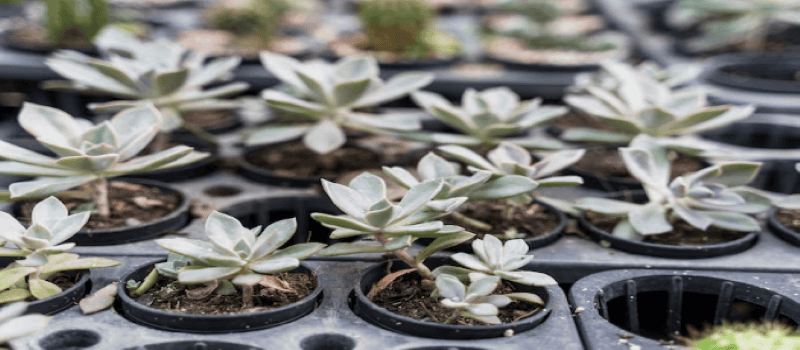
Here are two well-liked techniques:
- Leaf Propagation: Take a healthy leaf and let it become callused over many days if you have a succulent with fleshy leaves, like an echeveria or a jade plant. To promote root growth, place the calloused end on a succulent mix that drains well and softly spray.
- Offset Propagation: Some succulents reproduce by producing offsets, or tiny plants, all around the base. Using a clean knife, carefully remove the offset and pot it in a different container with the right succulent mix.
Other methods include:
- Stem Cuttings: Taking a sound stem segment from the parent plant and allowing it to get callused, you put it in a well-draining succulent blend to boost the growth of the root. This process is similar to leaf propagation.
- Seed Propagation: This approach empowers you to begin succulents without any preparation, however it takes more time. Succulent seeds, a well-depleting seed beginning blend, and a shallow container with waste openings are required.
Although propagating succulents via stem cuttings and seeds is technically feasible, it is usually not advised as these methods can be less successful and slower than propagating from leaves and offsets. In damp conditions, stem cuttings run the risk of rotting, and seeds take a lot longer to develop into identifiable succulents.
Cactus
Cacti are resilient plants that can thrive and multiply during the summer months. Propagating cacti can be a rewarding experience, whether you’re expanding your collection or sharing with friends.
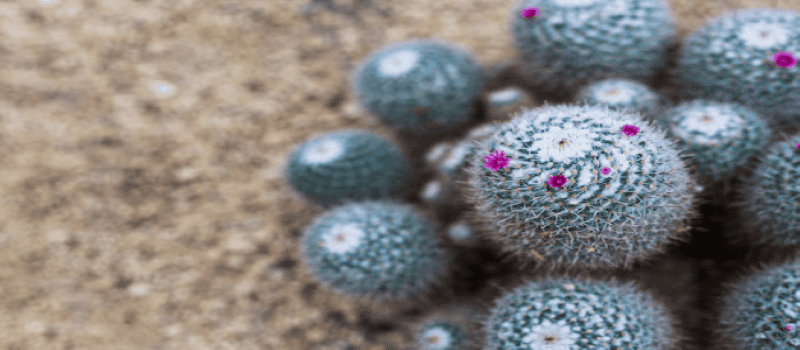
Here are some tips to help you successfully propagate your cacti:
- Offsets (Pups): Many cacti produce offsets, small clones of the parent plant that can be gently removed and replanted.
- Cuttings: Some cacti, like prickly pears, can be propagated from cuttings. Allow cut ends to dry before planting to prevent rot.
Propagation Steps:
- Offsets (Pups):
- Locate the offsets around the base of the parent plant.
- Gently twist or cut the offset from the parent plant using a clean, sharp knife or scissors.
- Allow the offset to dry for a day or two to form a callus over the cut surface.
- Plant the callused offset in the prepared soil, keeping it slightly moist until roots establish.
- Cuttings:
- Select a healthy segment of the cactus stem and allow the cut end to dry for a few days in a shaded, dry area.
- Once calloused, plant the cutting in the prepared soil mix.
- Water sparingly until roots develop, then gradually increase watering frequency.
By following these tips, you can effectively propagate your cacti during the summer months, ensuring a healthy and thriving collection of these delightful desert plants.
Enjoying the Rewards of Summer Indoor Plant Care
By following these simple tips, you can ensure your cacti and succulents thrive throughout the summer months. Witnessing vibrant blooms on your cactus or the plump, colorful growth of your succulents is a testament to the success of your summer care routine. As Sara Moss-Wolfe (Pseudonym for Terri Guillemets) famously said “Just because you’ve only got houseplants doesn’t mean you don’t have the gardening spirit — I look upon myself as an indoor gardener.”
Bonus Tips for Summertime Success:
- Deadheading: Eliminate spent flowers to promote reblooming and preserve an attractive appearance.
- Keep an eye out for sunburn: Yellowing or bleaching of the leaves could be a sign of sunburn. Transfer your plant to a more shaded area.
- Savor the Outdoors: Arrange your cactus and succulents to form a colorful summer container arrangement for your patio or balcony.
- Watering Schedule: Adapt the timing of your watering to the heightened temperatures. In order to make sure the roots receive enough moisture, water deeply but less frequently.
- Control of pests: Be aware of common pests such as spider mites and aphids. As needed, apply neem oil or insecticidal soap.
- Check Your Soil: To avoid root rot, make sure the soil drains properly. For better drainage, think about adding sand or perlite.
- Fertilization: To help your cacti and succulents thrive throughout the busy summer months, treat them once a month using a balanced fertilizer.
- Air movement: To avoid fungal diseases and overheating, make sure there is adequate air movement around your plants.
- Container Size: Verify whether the cacti and succulents in your home have outgrown their containers. If needed, repot them to allow more room for their roots to spread out.
- Mulching: To assist conserve moisture and keep the roots cool, cover the soil with a layer of gravel or small rocks.
- Frequent Inspection: To maintain your plants healthy and growing, regularly check them for any indications of disease or stress. If you find any, take quick action to treat the problem.
- Protection from the Sun: To avoid sun damage during periods of high heat, cover your plants with shade fabric or relocate them to a partially shaded spot.
Your cacti and succulents will not only withstand the summer heat but also thrive and add a bit of desert beauty to your days with a little preparation and these summer maintenance basics.
Wrapping it Up!
Succulents and cacti look their best in the summer. By providing them with additional indoor plant care and attention throughout the hottest months, you can guarantee that your desert friends flourish and add a splash of colorful splendor to your summertime. Success with summer succulents and cacti can be achieved by according to the straightforward advice provided in this guide, which covers everything from soil and pest management to watering and sun exposure. Thus, relish the heat, soak in the sun, and get the benefits of seeing your succulents and cacti grow throughout the season!As Beth Ditto says “A beautiful plant is like having a friend around the house. But remember, these friends need light and water to thrive.”