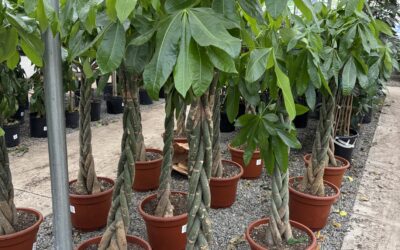
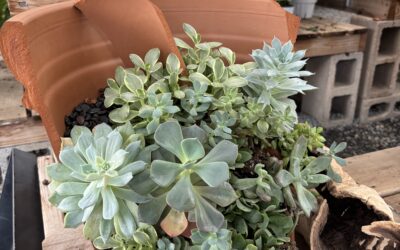
Summer brings a new set of challenges and opportunities for landscape succulent plant care, particularly for scene succulents. Because they don’t need a lot of water, these extreme plants are great for growing indoors. However, they require additional care during the warmer months to keep their vitality and health. Summer care for indoor scene succulents, whatever information you require from start to finish, is all covered.
Understanding Landscape Succulents
Succulents for your indoor landscape are more than simply lone plants; they are part of a bigger ecosystem. Dr. Lucy Green is a botanist who specializes in arid-zone plants. “Succulents are excellent for indoor landscaping due to their low maintenance and striking aesthetic appeal,” she says. Their various variations in size, color, and form enable imaginative landscape designs that can completely change any interior area.
Following are some important aspects that you must consider in order to ensure the best indoor plant care for your succulents:
Water Management
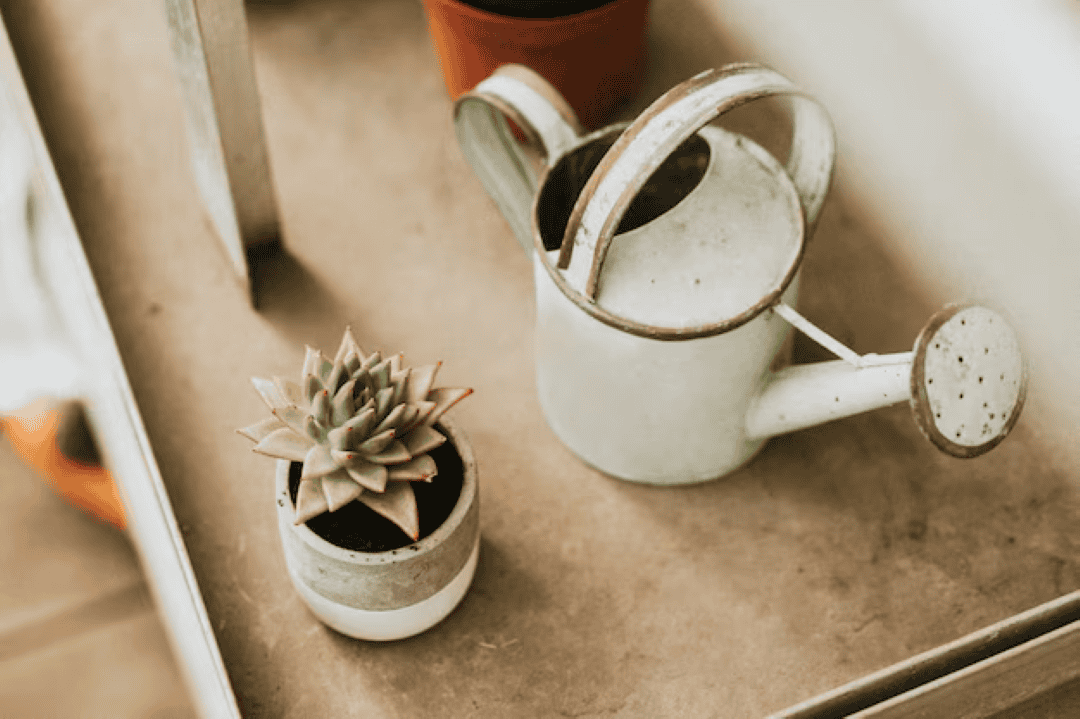
One of the most crucial aspects of summertime indoor plant care for landscaping plants is water management. Succulents can withstand hot, dry summers because their leaves, stems, and roots contain water. Indoor spaces, however, have the power to change these circumstances. “Balance is essential for succulent water maintenance. According to Green, under-watering can cause stress on the plant, and over-watering can cause root rot.
Watering Instructions:
- Use well-draining soil: To ensure that excess water can escape and prevent root rot, choose a soil mix made especially for succulents and cacti.
- Make sure the container is draining properly: Use pots with drainage holes to let extra water out and avoid it sitting at the bottom and creating problems for the roots.
- Adapt irrigation according to the season: Water succulents less frequently during the winter, when they are dormant and need less moisture.
- Avoid watering leaves: Watering leaves can cause decay or fungal problems. Instead, irrigate the soil directly.
- Keep an eye on your exposure to light: Succulents typically like bright, indirect light. Watering should be adjusted according to light exposure, as more sunshine usually necessitates more frequent watering.
Fertilization
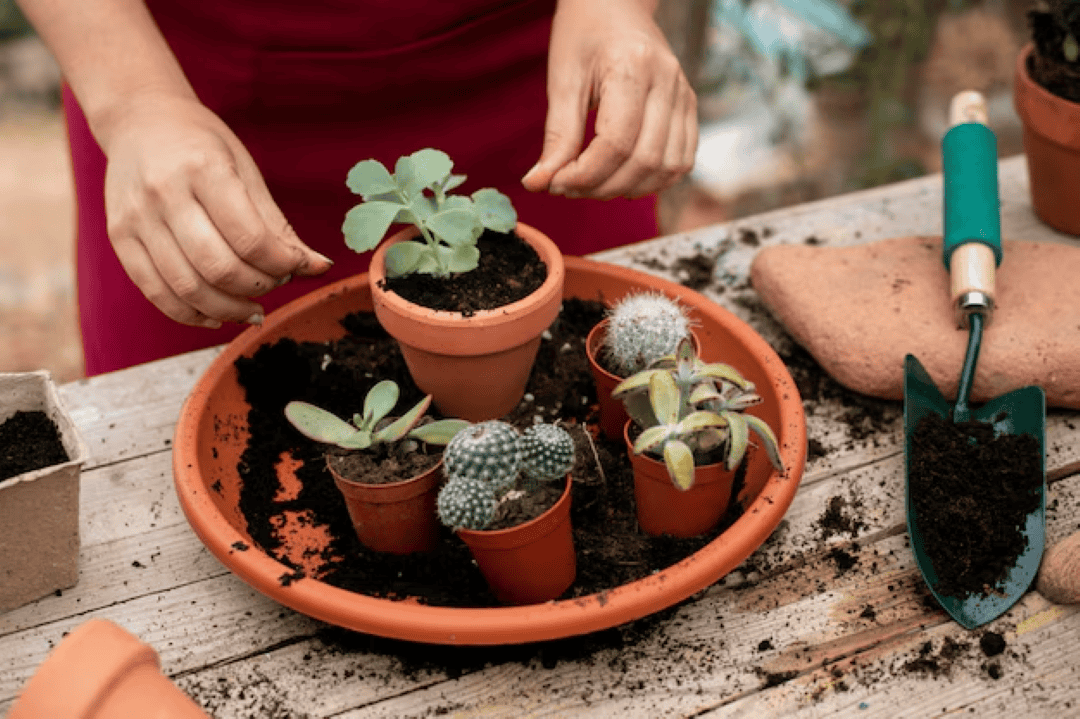
Just like cactus plant care, succulents plant care also do not require as much fertilizer as other indoor plants, but they do gain some during the summer months while they are growing. Urban landscape designer Tom Hardy says, “Utilizing a balanced, controlled-release fertilizer at the start of the season can promote healthier, more robust growth.”
When to fertilize:
Fertilize your succulents when they are actively developing, which is usually in the spring and early summer. As they are growing at their fastest rate right now, they can benefit from the extra nutrients.
Key points to remember:
- Avoid fertilizing during the dormant period: When succulents are dormant, which is often fall and winter, fertilizer should be avoided. They may suffer from overfertilization.
- Succulents that have just been planted: Give them at least six months to establish themselves before fertilizing.
- Succulents indoors: Because they grow more slowly than outside ones, they may require less fertilizer. Consider giving them plenty of light and fertilizing them once a year in the spring.
Additional tips:
- Apply a half-strength solution of a water-soluble, balanced fertilizer.
- Among other issues, overfertilization can result in root burn. Often, little is more for landscape succulent plant care.
- Keep a close eye on your plants and modify the timing of your fertilization according to their requirements.
Pest Control
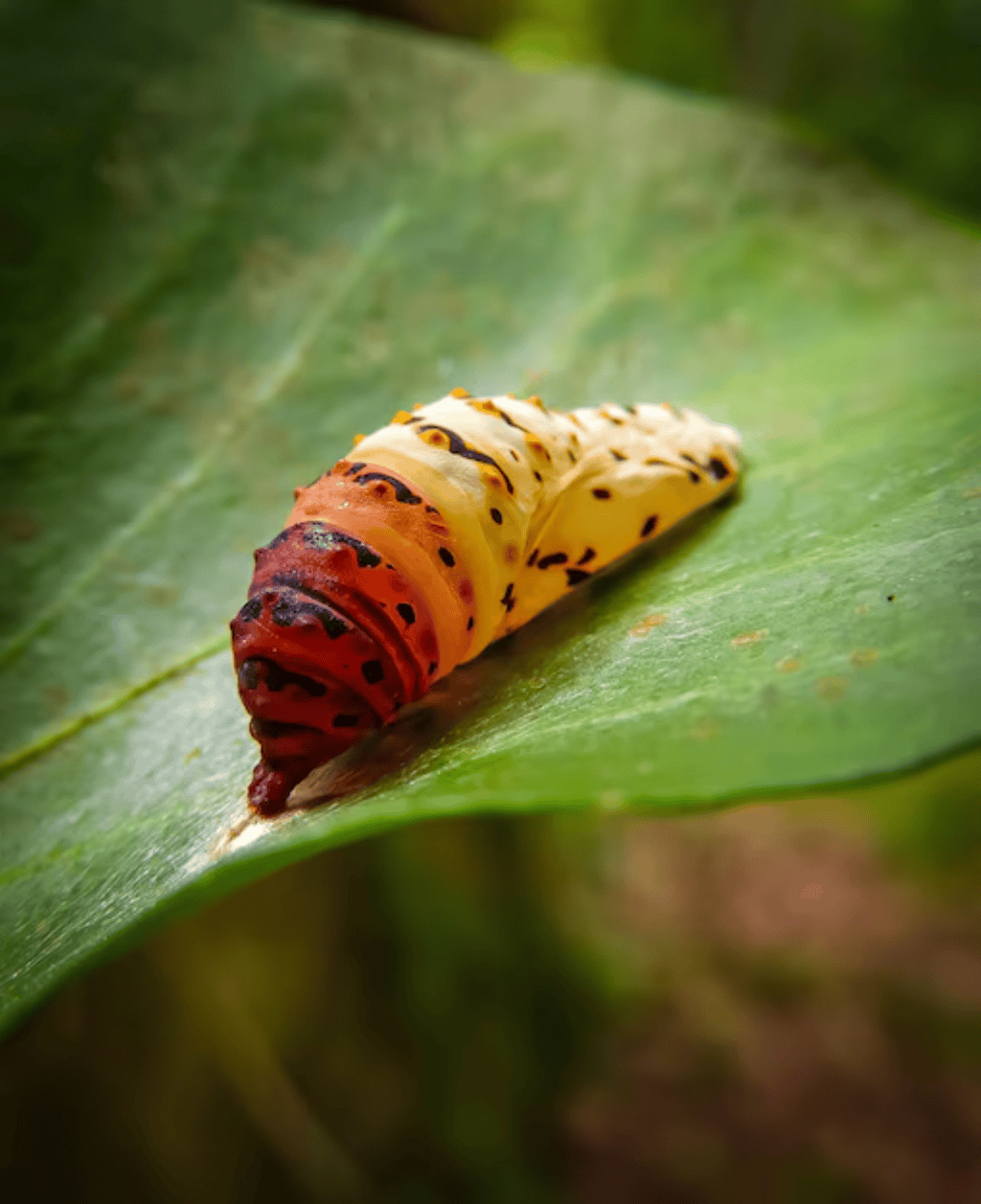
In the summer, pests can pose a serious threat to indoor succulent plants. Mealybugs, spider mites, and fungus gnats are common pests. The best line of protection against bugs for indoor house plant care is preventative maintenance. According to Hardy, “keeping an environment clean and conducting routine inspections can greatly lower the risk of infestation.”
Despite being very low-maintenance, pests can nonetheless harm succulents. The following are some practical methods to keep pests away from your succulents:
Prevention is Key
- Correct Maintenance: Make sure your succulents have enough water, sunlight, and drainage. Pests are less likely to affect healthy plants.
- Isolation: Before adding new succulents to your collection, they should be kept in isolation for a few weeks.
- Inspection on a Regular Basis: Frequently look for insect indicators on your succulents. It’s critical to discover early.
Common Pests and Treatments
- Mealybugs: These cottony insects suck sap from plants.
- Treatment: Isolate the infected plant. Manually remove mealybugs with a cotton swab dipped in alcohol. As a follow-up, use insecticidal soap or neem oil.
- Scale Insects: These tiny, hard-shelled insects can be difficult to spot.
- Treatment: Similar to mealybugs, isolate the plant and manually remove scales. Use insecticidal soap or neem oil.
- Aphids: These soft-bodied insects cluster on new growth.
- Treatment: Strong water spray can dislodge aphids. Insecticidal soap or neem oil can also be effective.
- Spider Mites: These tiny pests create webs on plants.
- Treatment: Increase humidity around the plant. Use insecticidal soap or neem oil.
Additional Tips
- Isopropyl Alcohol: A diluted solution of isopropyl alcohol can be used to spot-treat pests.
- Neem Oil: This natural insecticide is effective against many pests.
- Insecticidal Soap: Safe for most plants, insecticidal soap can help control pests.
- Beneficial Insects: Consider introducing ladybugs or lacewings to prey on pests.
- Avoid Overwatering: Excessive moisture can create a favorable environment for pests.
Planting and Re-potting
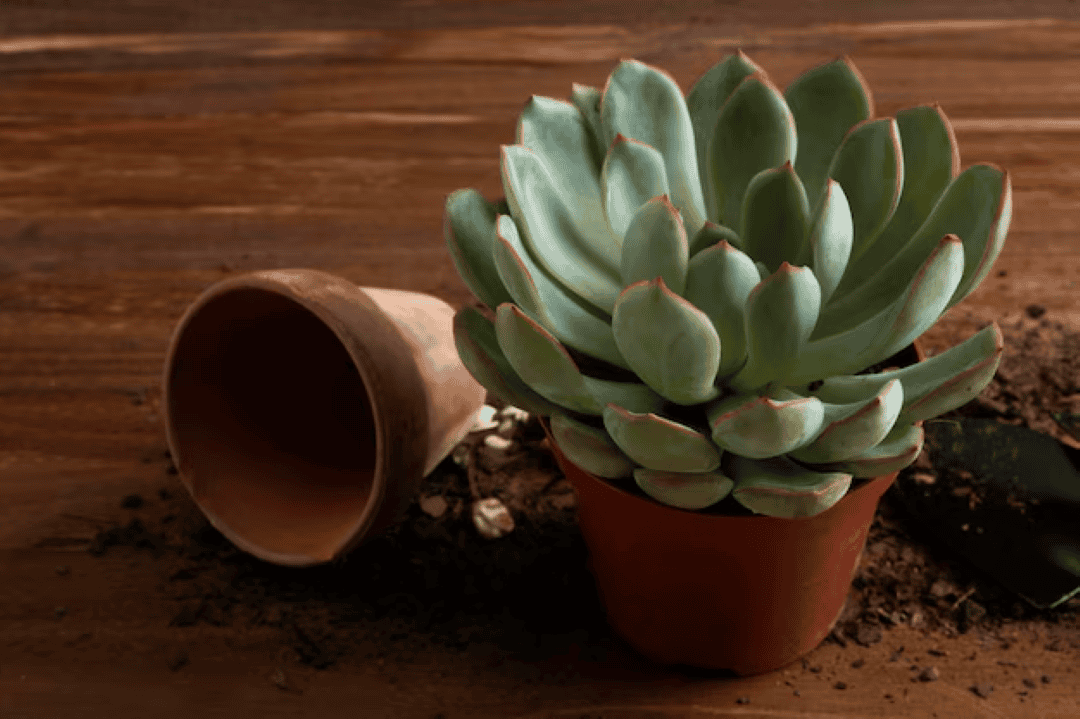
Summer is an ideal time for planting and repotting succulents as they are in their active growth phase. “When repotting, choose a pot that’s slightly larger than the root ball of your succulent. Ensure it has good drainage,” advises Green.
Planting Instructions:
- Choose the right soil: Use a well-draining soil mix specially formulated for succulents for the ultimate landscape succulent plant care.
- Ensure proper drainage: To enhance soil drainage, place a layer of gravel or clay pellets at the bottom of the pot.
- Position: Place your succulents where they can get at least six hours of indirect sunlight per day.
Conclusion
Caring for landscape succulents indoors during the summer can be a rewarding endeavor. It allows you to enjoy vibrant, healthy plants that enhance your indoor spaces. By managing water correctly, fertilizing appropriately, controlling pests proactively, and planting wisely, your succulents will thrive throughout the season and beyond. Remember, each succulent species may have specific needs, so it’s important to adapt the specific landscape succulent plant care method to suit your particular plants. As Dr. Green puts it, “Succulents are not just plants; they’re a fascinating study in resilience and beauty, perfect for enhancing our living spaces.”