
Graptopetalum Paraguayense (Ghost Plant)

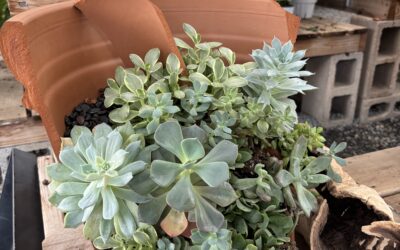
Graptopetalum paraguayensis , or the “ghost plant”, is a great, trailing, wandering, ground cover. We love the colors that this plant brings out in a design, complementing the blues, pinks, and purples that so many of the gorgeous succulents have to offer. Each plant has its own unique coloring and shades to offer. It’s extreme hardiness and coloring make it an incredibly versatile plant. We’ve seen it used as a sprawling ground cover, mounding up and filling in entire planters, or for spot color in the smallest of arrangements. Something overlooked, or sometimes unknown about succulents, is that stress brings out their best color. It’s often a combination of factors that causes the stress and each succulents vibrance, but colder temperatures, less water, and more sun, are the big three factors that come into play. Most succulents, in full sun, in the winter, receiving just the right amount of water, will have the best color here in Southern California. With that being said, there is no “one size fits all” answer to bringing out the best color in each plant. Experiment, tweak, and enjoy playing with your succulents.
More Succulent Tips

8 Low-Maintenance Indoor Plants

If you’re new to collecting houseplants, start with these cool beginner plants that still bring loads of color and style to your decor.

Why Drought-Tolerant Plants Are a Smart Wholesale Choice

If your business is in the landscaping, retail, or design space, offering drought-tolerant plants wholesale can set you apart. These water-wise plants are not only resilient and eco-friendly—they’re in high demand. At CGH Succulents, we specialize in providing...

Small Cactus, Big Impact: Grow Your Sales

At California Greenhouses, we believe success doesn’t just happen—it’s cultivated. It grows where the right people, streamlined processes, and quality cactus and plants come together with intention. Whether you're managing a bustling garden center or curating a...

A Fantastic Story (Kalanchoe Fantastic)

Graptopetalum paraguayensis , or the "ghost plant", is a great, trailing, wandering, ground cover. We love the colors that this plant brings out in a design, complementing the blues, pinks, and purples that so many of the gorgeous succulents have to offer. Each plant...

Sedum Nussbaumerianum – Coppertone Stonecrop

Graptopetalum paraguayensis , or the "ghost plant", is a great, trailing, wandering, ground cover. We love the colors that this plant brings out in a design, complementing the blues, pinks, and purples that so many of the gorgeous succulents have to offer. Each plant...

Echeveria Lola

Slow growing, highly collectible, iridescent color, great container accent, easily one of the most sought after echeveria we grow. Not many succulents are white, but a white echeveria like ‘lola’ can work in almost an arrangement. Lola, a hyrbid of Dick Wright,...

Sedum Pachyphllum (Jelly Beans)

A cute and playful sprawling succulent from Mexico. It won’t grow much over a foot tall before crippling over by it’s own weight. Easily roots from fallen leaves, and as it spreads each stem forms roots and becomes it’s own mother plant. The small jelly bean like...

Plants That Actually Talk Back 🌿

When it comes to choosing houseplants, there’s a common hesitation we hear all the time: “I want something unique… but I don’t want to accidentally kill it.” Totally fair. Many “boutique” plants look incredible—but can feel unpredictable. One day they’re thriving, the...

6 Trailing Succulents That Look Sublime in Hanging Baskets

Everyone loves trailing plants, and everyone loves succulents, so why not go for the best of both worlds and snag some trailing succulents? They’re the best way to max out your space with lush greenery, even when you don’t have much shelf space. Hang a couple in your...

Agave Attenuata ‘Ray of Light’

Variegation in plants is the appearance of different colors in the leaves. Typically these colors are white, or yellow, where the zones contrast the more common green foliage. The white, or yellow, variegation is from a lack of chlorophyl in the tissue of the plant....

Visit Us Today

Want to Learn more?

More Plant Parenting Advice

Visit Us Today

Want to Learn more?